Preview — Excerpt
Executive Summary
Large-load growth is arriving faster than transmission and distribution can be built — and the cost-allocation conversation between utilities, large customers, and residential ratepayers is getting harder every cycle.
Each self-sufficient Oreqa homegrid carries its full home load behind the meter, around the clock, all year — removing 4.4–7 kW of coincident peak per home from the feeders and substations it sits on. The homeowner remains your customer; the meter stays in place; verified surplus is exported to the system on a metered basis.
This is not demand response. There are no dispatch events, no program administration, no customer behavior to manage. The hardware makes the reduction true whether anyone is watching or not — and an independent engineering firm meters and certifies it monthly, circuit by circuit.
What That Changes for the System
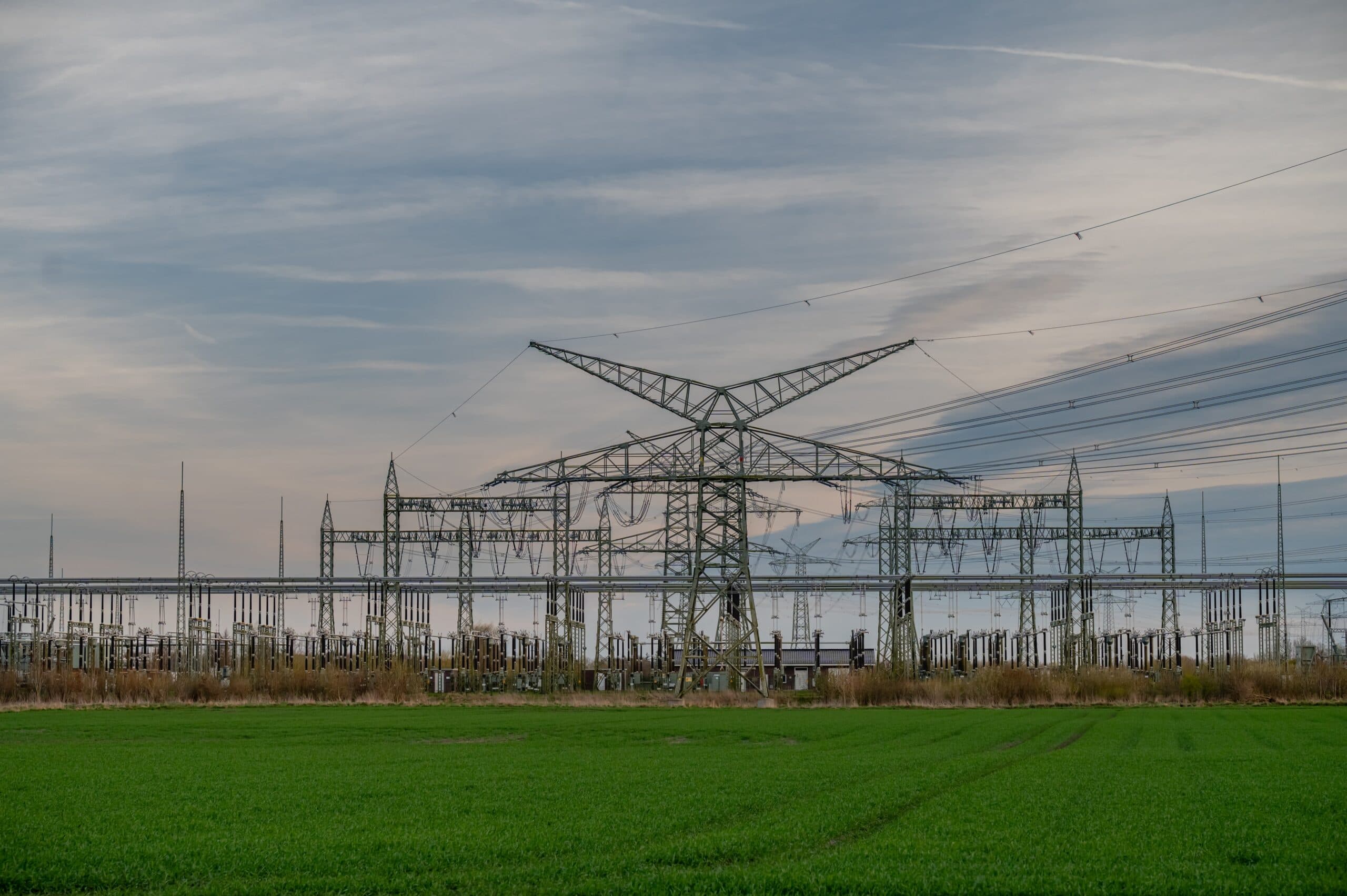
Capex avoidance on constrained corridors. Permanent load removal lets a specific, budgeted project — substation upgrade, feeder reconductoring, large-load T&D buildout, typically $20–150M+ per constrained corridor — be deferred or cancelled rather than rebuilt. Capital converted to a contracted operating expense over a bilateral term matched to the asset’s life.
Customer-funded, ratepayer-neutral. The relief is paid for by the large load that needs it, not by the residential base — and the homes that host it see their own energy costs fall rather than rise.